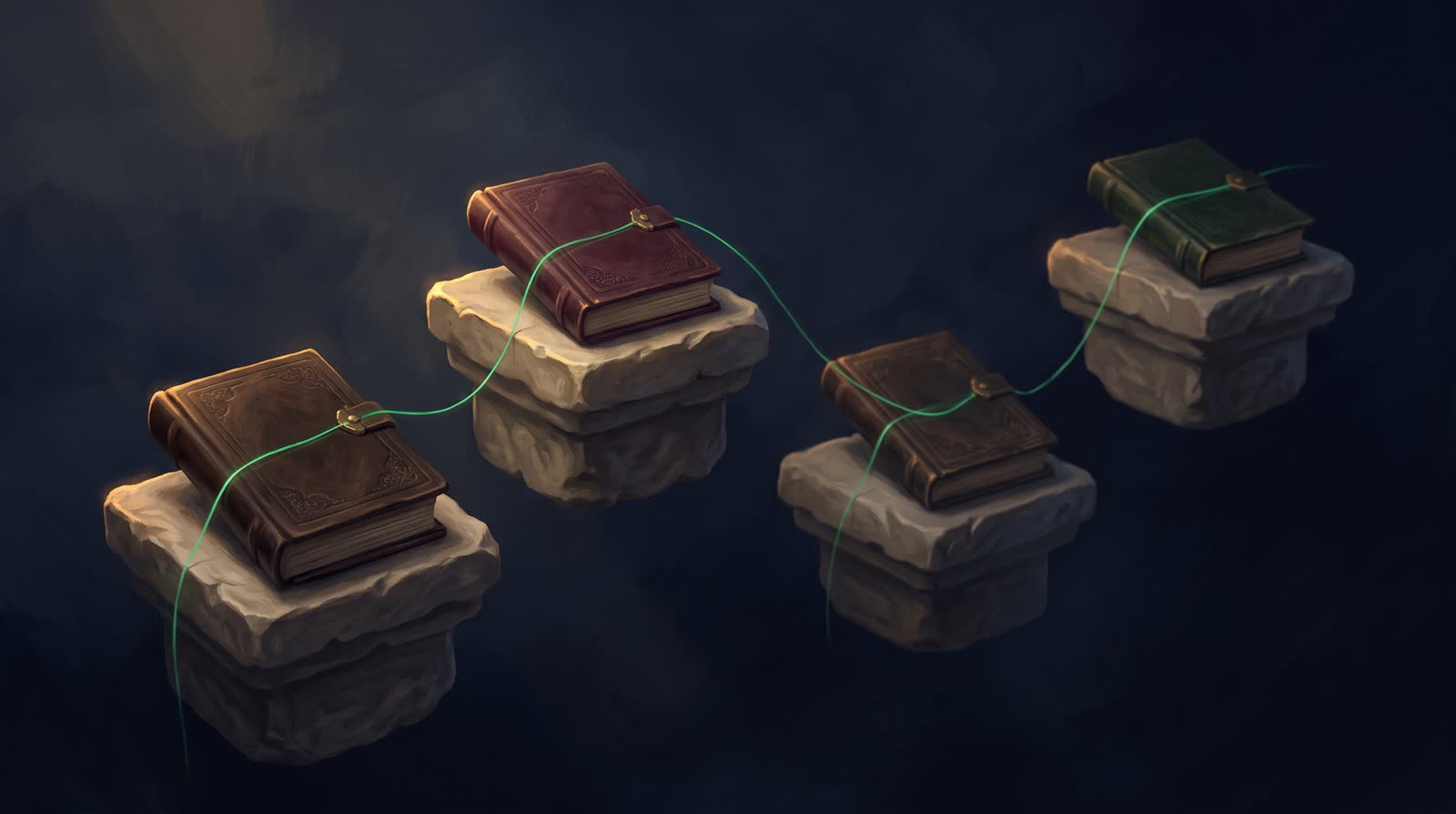
Home / Blog / What Is a Family Vault — and Why It's Not a Safe
WiseEnding Blog
What Is a Family Vault — and Why It's Not a Safe
The short answer
A family vault is one private, organized place for everything your family would need to find — assets, debts, documents, access instructions and wishes — with per-person access and a release that happens only when it's truly needed. Unlike a safe, it stores understanding, not just objects: what exists, where it is, who should know, and what you want them to understand.

A family vault is one secure, private place where everything your family would need to find is gathered, organized, and ready to be handed to the right people — your accounts, debts, documents, wishes, and the instructions that connect them. It isn't a safe: a safe stores objects and asks a single question (*is it locked?*). A family vault stores *understanding* and asks better questions: *who should see this, what does it mean, and when should it reach them?*
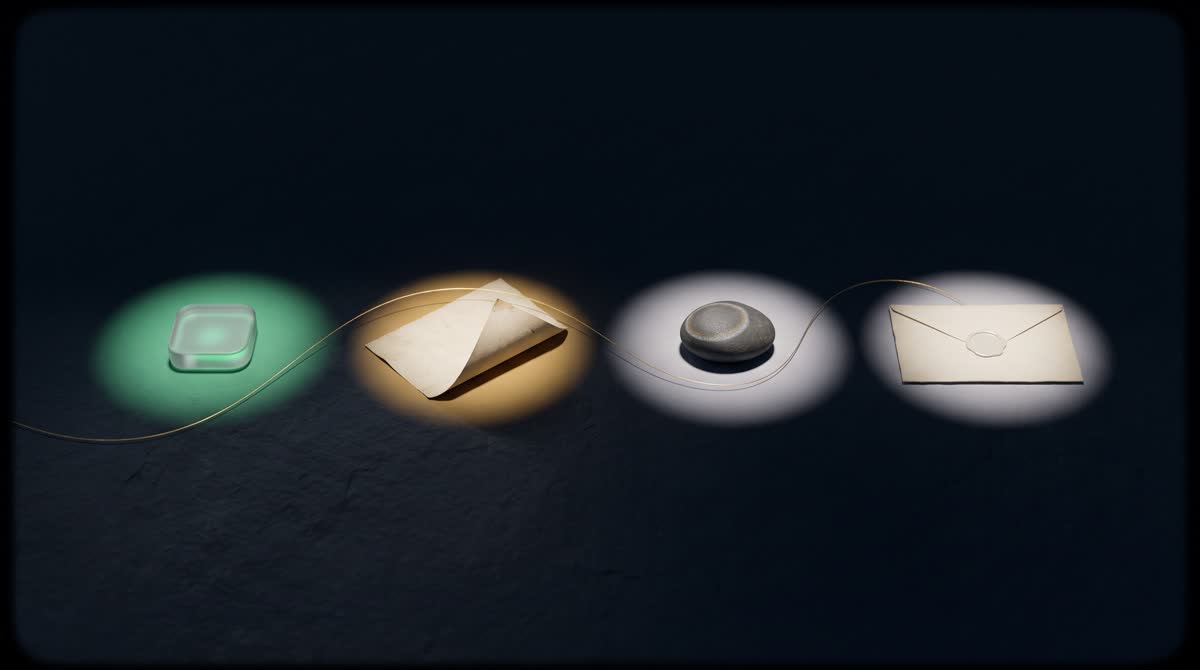
That distinction matters more than it might seem. Ask a simple question at your next family dinner: if something happened to you tomorrow, how long would it take the people you love to find everything? For most families the honest answer is weeks or months — and some things are never found at all. A family vault exists to make that answer *minutes*.
Why "just use a safe" stopped working
The old answers were built for a paper world:
- A home safe holds paper well, but it holds one copy, in one place, behind one combination that usually lives in one head. It can't remind you the insurance policy inside it expired. And in a fire or a move, the vault and its contents share the same fate.
- A bank's safe-deposit box is more secure — and much worse in a crisis. After a death, many banks seal the box until an executor is formally appointed, which can take weeks. The document your family needs most becomes the one they can't reach. (We wrote about this in what a digital safety deposit box actually is.)
- A folder in the study — or a spreadsheet, or a note on your phone — works only if someone knows it exists, where it is, and what the entries mean. Most families discover the folder *and* its gaps at the same moment.
Modern life quietly broke all three. Your assets are no longer a deed and a bank book; they're twelve online accounts, a brokerage app, a crypto wallet, a pension in a country you left years ago, and money a friend owes you that exists nowhere but in your memory. A steel box can't hold a login. A filing cabinet can't tell your spouse which account the rent comes out of.
The four questions a family vault answers
A real family vault is organized around the questions your family will actually ask — not around file types.
1. What exists?
The complete map: every account, property, policy, investment and asset — plus the half most systems ignore entirely. Debts you owe (so nobody is surprised by a claim against the estate) and money owed to you (so your family doesn't leave it uncollected simply because no one knew). This is why a document scanner is not a family vault: the most important facts are often not in any document.
2. Where is it, and how do they get in?
For each thing that exists: the institution, the account or policy number, the login or recovery path, and the location of the original paper if there is one. Not a pile of PDFs — a guided answer to "where do I start?"
3. Who should know, and when?
This is the question a safe cannot even ask. Your spouse may need everything tomorrow; your executor needs the legal documents; a business partner needs the business records and nothing else. A family vault holds per-person access — and it distinguishes *now* from *only if something happens to me*. Some things should be shared today; the rest should be sealed until they're genuinely needed.
4. What do I want them to understand?
Numbers don't speak for themselves. Why the policy was chosen. What you want for the children. The letter each person should read first. The wishes that belong in a will — and the smaller, human ones that don't. A vault that stores only files leaves your family with paperwork; a family vault leaves them with *guidance*.
What belongs inside
A practical starter list — most families can gather the first pass in an afternoon:
- Accounts and assets: bank accounts, investments, retirement and pension plans, property, vehicles, valuables.
- Debts — in both directions: what you owe (mortgage, loans, personal debts) and who owes you, with the amounts and the understanding behind them.
- Insurance: life, health, home — policy numbers, providers, and what each one actually covers.
- Documents: will or wasiyya, powers of attorney, deeds, titles, marriage and birth records — or at least exactly where the originals live.
- Access: how to get into the essential accounts and devices, stored so that even the vault provider can't read them.
- People: the executor, the lawyer, the accountant, the trusted friend — names and contact details, so your family isn't guessing who to call.
- Letters and wishes: what you want known, in your own words, addressed to each person who matters.
The discipline that makes it work isn't the setup — it's the rhythm. A family vault is a living record, not a one-time project: fifteen quiet minutes a month keeps the map true.
Family vault vs. the alternatives
| | A safe / deposit box | Cloud storage | A family vault | |---|---|---|---| | Holds digital assets and logins | ✕ | ~ (unstructured) | ✓ | | Tells your family what things *mean* | ✕ | ✕ | ✓ | | Per-person access, now vs. later | ✕ | ~ (blunt sharing) | ✓ | | Knows when to open (a heartbeat) | ✕ | ✕ | ✓ | | Survives fire, moves, sealed boxes | ✕ | ✓ | ✓ |
Cloud drives deserve a specific mention, because they're the most common DIY answer. A shared folder can *store* files, but it can't answer "who should see what, and when." It doesn't know which debts are cleared, which document is current, or that your brother should only receive his letter if you're gone. Storage is the easy part; the vault is the judgement around it.
Security is the whole point
If you're going to gather your family's entire map in one place, the obvious worry is: what if that place is breached? The answer to look for is zero-knowledge encryption — your information is encrypted on your device before it's stored, and the provider holds only ciphertext it cannot read. The company never sees your accounts, and neither does anyone who compromises the company. Contrast that with a normal cloud folder, where the provider technically can read everything.
Two more honest tests: What happens if the company shuts down? (Look for exports and open formats.) And who holds the keys? (You do — shared with exactly the people you chose, on the terms you set.)
How it works in WiseEnding
WiseEnding is built as a family vault in exactly this sense. Your assets, debts, receivables, documents and people live together in one private place — with zero-knowledge encryption, so even we can't read what's sealed. The Debt Anchor keeps what you owe visible and tracked so it never chains your family. Each of your people has their own access plate: what they can see today, and what stays sealed for them.
And the Legacy Heartbeat answers the "when": you check in on a rhythm you choose — one tap, anywhere from every week to once a year. If you ever go silent, the system escalates gently — reminders, a grace period, a final verification — and only then releases what you prepared to the people you chose, each receiving exactly what you meant for them. (The full mechanism is in what a dead man's switch is and why your family needs one.) If you come back, one check-in re-seals everything. It works for you; it never fights you.
For families who want it, there's also an optional Islamic layer — zakat on every asset, sadaqah jariyah, and wasiyya guidance — always opt-in, never assumed.
A safe asks one question: is it locked? A family vault asks the harder ones: who should know, what should they understand, and when should it reach them?
Most of us plan to get organized "someday". A family vault turns that intention into a standing arrangement — an afternoon to set up, minutes a month to maintain, and the certainty that the people you love will never be left searching in the dark.