Home / News / Japan's Dementia Freeze: ¥314 Trillion in Family Assets Projected to Sit Locked by 2030
WiseEnding News
Japan's Dementia Freeze: ¥314 Trillion in Family Assets Projected to Sit Locked by 2030
The short answer
Sumitomo Mitsui Trust Bank projects that assets held by Japanese people with dementia will reach ¥314.2 trillion by 2030 (¥250tn in 2020, ¥345tn by 2040), as the number of people with dementia rises from 4.43 million (2022) to about 5.2 million by 2030 — money legally present but practically unreachable, because its owner can no longer sign.
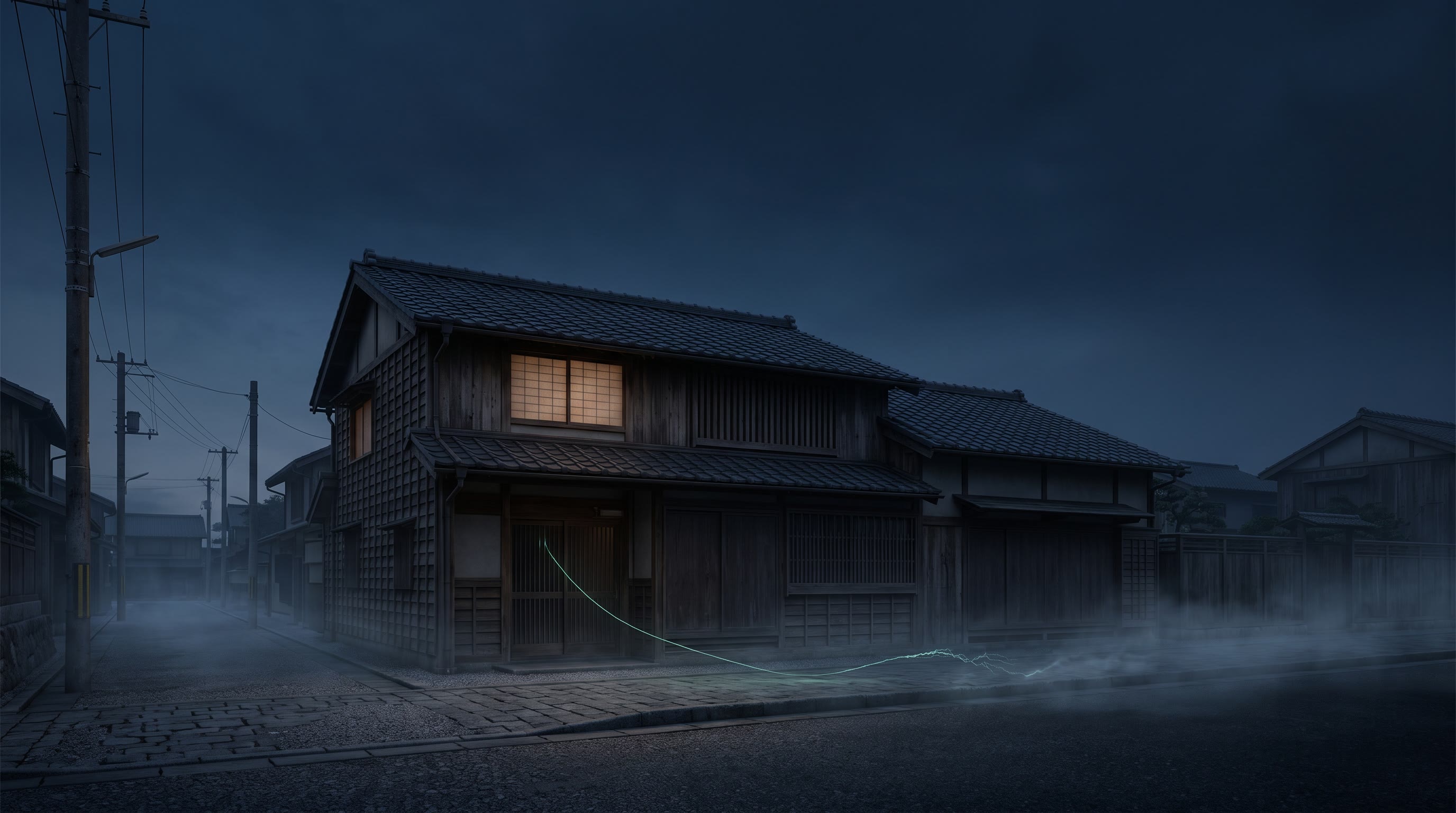
Japan is drifting toward the largest asset-freeze in financial history. According to Sumitomo Mitsui Trust Bank, assets held by people living with dementia reached roughly ¥250 trillion in 2020, are projected to hit ¥314.2 trillion in 2030, and will climb toward ¥345 trillion by 2040 — money that is legally present but practically unreachable, because the person it belongs to can no longer sign, remember, or consent.

The figures landed as Japan's government projects the number of people with dementia to rise from about 4.43 million in 2022 to roughly 5.2 million by 2030. For families, the translation is simple: a parent forgets a PIN, and a lifetime of savings turns into a locked room.
A PIN nobody remembers, an account nobody can touch
Japanese banks have no obligation to release funds to a spouse or child acting informally. Once account holders lose decision-making capacity, their accounts are effectively frozen until a court appoints an adult guardian — a process that takes months, costs fees, and often ends with a court-appointed professional managing the family's own money under supervision. Bills, care costs and even funeral expenses can stall while perfectly solvent families wait for permission to use their own money.
The system was built to protect the vulnerable from exploitation, and it does. But Japan's demographics have turned a safeguard into a gridlock: with nearly one in three Japanese now over 65, the number of households brushing against this freeze grows every year.
The ¥314 trillion number, in context
¥314.2 trillion is about $2 trillion — roughly 60% of Japan's annual GDP, sitting in accounts whose owners may be alive but legally unable to act. Sumitomo Mitsui Trust Bank's projection assumes dementia prevalence rising with the over-65 population, and it counts both financial assets and real estate: family homes that cannot be sold to pay for care because the owner can no longer sign the deed.
The state's official numbers tell the same story from the other side. The government's Dementia Policy Promotion Basic Plan puts the number of people living with dementia at approximately 4.43 million as of 2022, rising to around 5.2 million by 2030 — about one in seven of the elderly population. Each of those people has a bank book, a property, a pension — and a family that will one day need to reach them.
The response: family trusts, and why they are not enough
Japan's private-sector answer has been the *kazoku shintaku* — the family trust. A parent, while still lucid, places assets into a trust managed by a trusted child, so the money keeps moving when capacity fades. Uptake has grown steadily over the past decade, and banks now market family-trust desks alongside wills and gift planning.
But a family trust only protects what was deliberately placed inside it, and only if it was set up before the decline began. Like a will, it is a plan for people who plan — and most families do not plan. The gap between the ¥314 trillion projection and the small minority with trusts in place is the real story: Japan knows the freeze is coming, and most households are still hoping it will not be them.
The deeper lesson: capacity fades before life does
What Japan is experiencing at national scale, every family everywhere will experience at kitchen-table scale. Death is not the only event that locks a family's financial life — incapacity does it sooner, more quietly, and for longer. A father in early dementia is still alive, still present, but the map of what he owns is already fading with him.
That is why the question is not only "what happens when I die?" but "what happens when I can no longer answer?" A record of assets, accounts, debts and documents is only useful if it was built while the owner could still build it.
This is the design brief behind WiseEnding. My World is a living, zero-knowledge vault of everything a family would need to find — built and updated while you are fully yourself. The Legacy Heartbeat checks on you quietly; if you stop answering, the people you designated receive the map you prepared. Japan's ¥314 trillion is what happens to a nation that kept no map. Your family does not have to repeat it.
*Sources: Sumitomo Mitsui Trust Bank estimates of dementia-held assets (¥250tn 2020, ¥314.2tn 2030, ¥345tn 2040); Japanese government Dementia Policy Promotion Basic Plan (4.43M people in 2022, ~5.2M by 2030).*