Home / News / Digital Estate Planning Is Broken — Here's the Fix
WiseEnding News
Digital Estate Planning Is Broken — Here's the Fix
The short answer
New 2026 research from Trust & Will's national survey of 5,000 U.S. adults found 48% of Americans have no instructions for their digital accounts after death, and 23% of will-holders have none either. A will alone rarely opens a locked account because platforms govern access by terms of service, not inheritance law. Closing the gap needs a living inventory, access that activates on its own, and zero-knowledge encryption — not a static document.
The gap, in one number
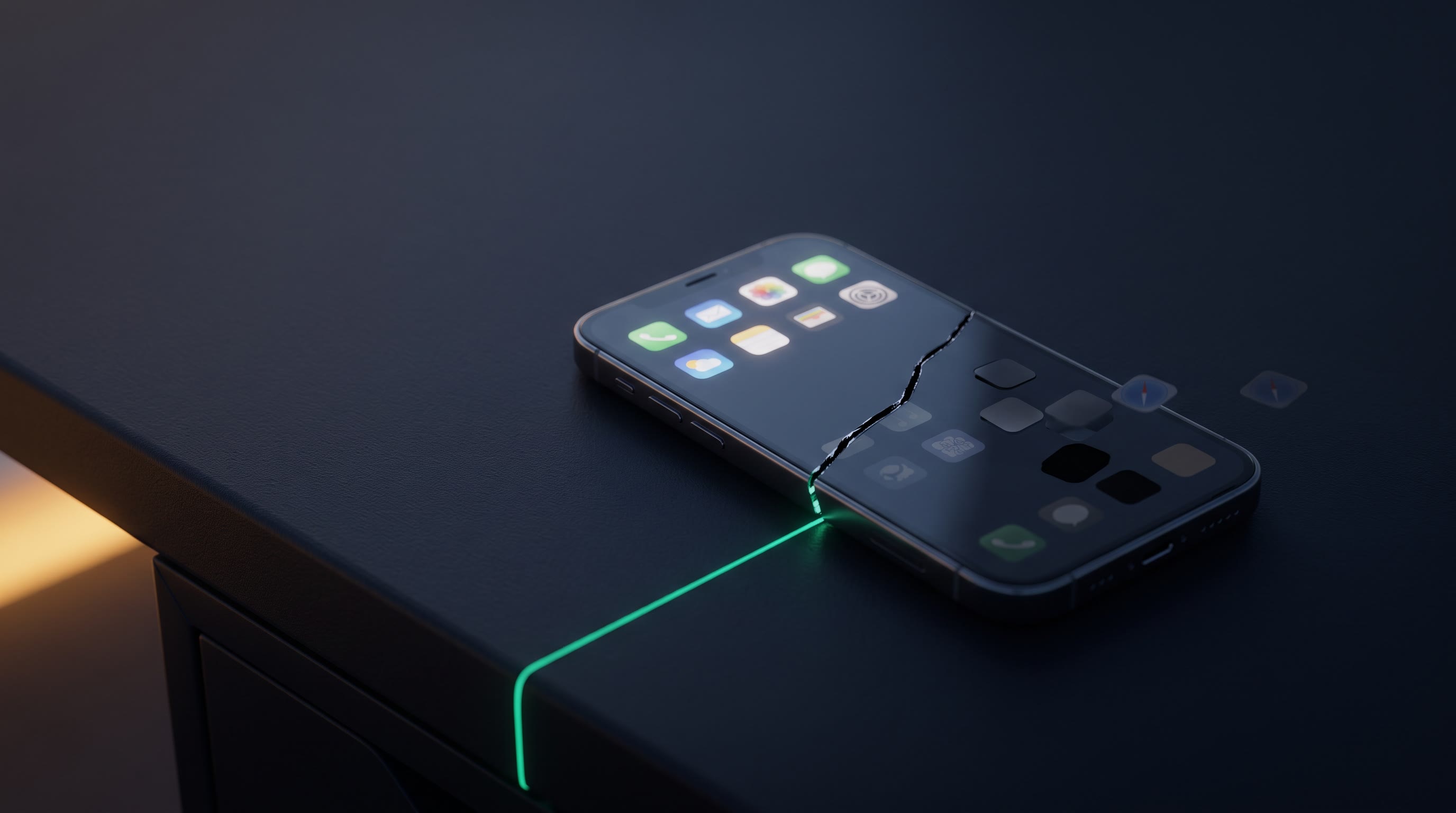
Trust & Will's 2026 Estate Planning Report surveyed 5,000 U.S. adults in a nationally representative sample. The headline has not moved in three years: 56% of American adults have no estate planning documents at all — no will, no trust, no powers of attorney. But the sharper finding sits one layer deeper. 48% of Americans have no instructions for what happens to their digital accounts and files when they die — and even among people who *do* have a will, 23% have made no digital arrangements at all. A traditional estate plan, it turns out, does not automatically cover the accounts most of us actually live in.
Why "just write a will" doesn't fix this
A will was built for a world of paper deeds and physical safes. It was never designed to hand someone a working login. Three structural problems keep showing up:
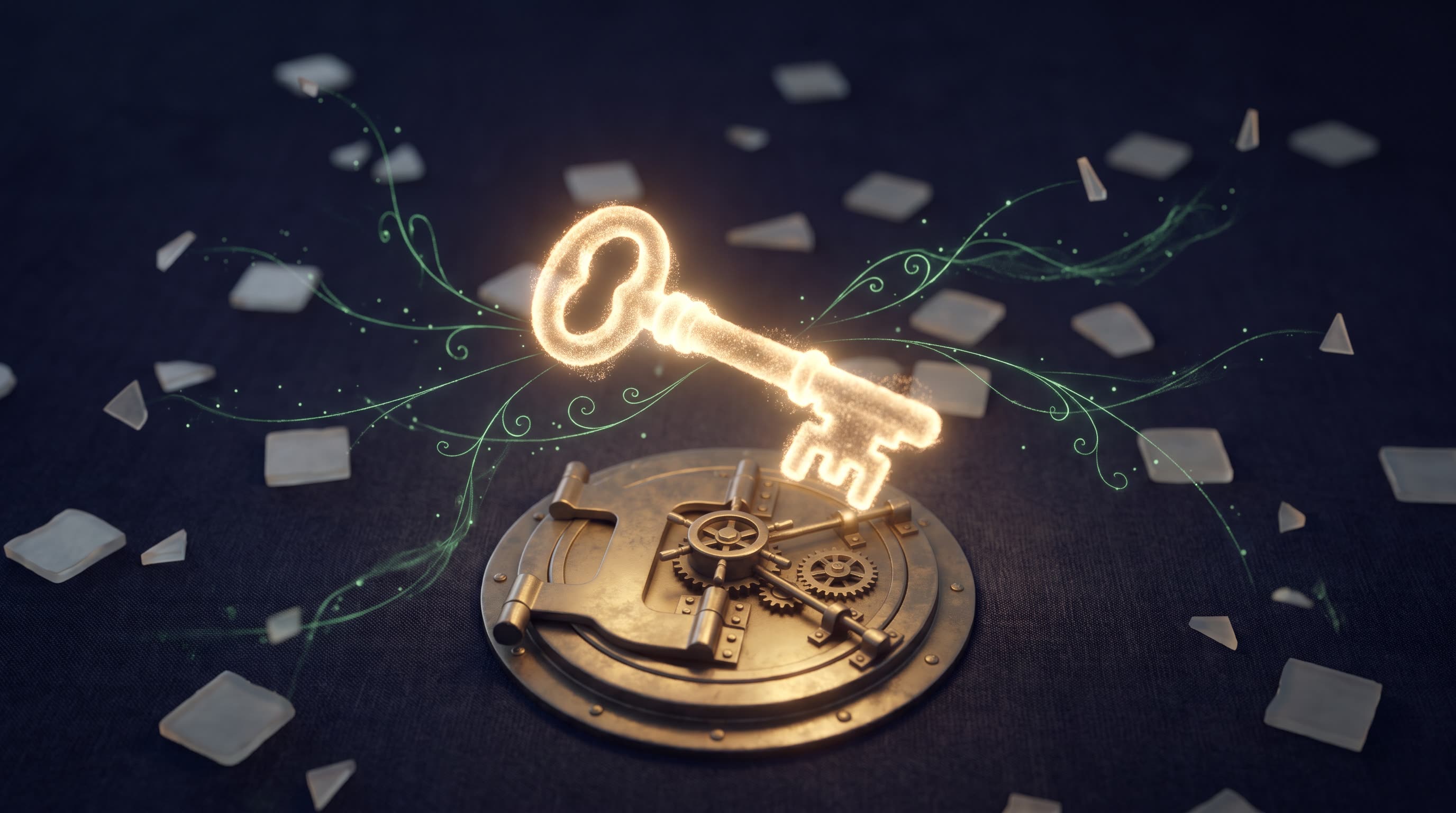
- Terms of service, not inheritance law, govern the account. Most platforms are contractually non-transferable — a will naming an heir does not open a locked account, and platform "legacy contact" features are inconsistent, limited, and easy to forget to set up.
- Passwords rot faster than paper. A printed list of logins is out of date within months as two-factor authentication, password managers, and account recovery flows change. Academic research on how older adults actually plan for this (a 2026 CHI study of 21 households) found almost no formal practice at all — most people just scribble passwords on paper and hope an heir can piece it together.
- Nobody can find the accounts in the first place. The average adult holds 25–30 active online accounts; families administering an estate typically know about 5–8 of them. The problem isn't only access — it's discovery.
What "the fix" actually needs to do
Closing this gap needs three things a static document cannot provide on its own:
- A living inventory, not a one-time list — accounts, subscriptions, and digital assets change constantly, so the record has to be easy enough to update that it actually gets updated.
- Access that activates on its own, not access that depends on someone remembering where the safe-deposit box key is. A mechanism should confirm you're truly gone (or truly incapacitated) before it opens anything, without requiring you to manually flip a switch at the exact right moment.
- Zero-knowledge encryption, so the inventory itself isn't a second point of failure — the list of "here is everything valuable and how to get in" should never sit in a database a company employee, hacker, or breach can read.
Where WiseEnding fits
This is the exact shape of problem WiseEnding's Family Vault and Legacy Heartbeat were built to solve: a zero-knowledge vault that holds the living inventory — documents, accounts, debts, and instructions — behind a dead-man's-switch that checks in on you quietly and only opens access to the people you choose, only when it's actually needed. Not a static will bolted onto a password manager, but one place that stays current because it's part of how you already manage your life, and one mechanism that acts when you can no longer act yourself.
The bottom line
The 48% figure isn't a story about carelessness. It's a story about tools that were never built for how people actually live now. A will still matters — get one if you don't have one. But treating "I wrote a will" as "my family can get into my accounts" is the exact assumption Trust & Will's data says is false for roughly half of Americans, and for nearly a quarter of will-holders themselves.