Home / Blog / Zakat Nisab 2026: the Gold vs Silver Threshold, and Which One You Should Use
WiseEnding Blog
Zakat Nisab 2026: the Gold vs Silver Threshold, and Which One You Should Use
The short answer
The zakat nisab in 2026 is 85 grams of pure gold or 595 grams of pure silver, held for one lunar year. At August 2026 prices that is roughly $12,800 (gold) versus $1,330 (silver). Most scholars recommend the lower silver threshold for cash and savings, so more wealth reaches the poor; zakat is then 2.5% of your whole zakatable pool.
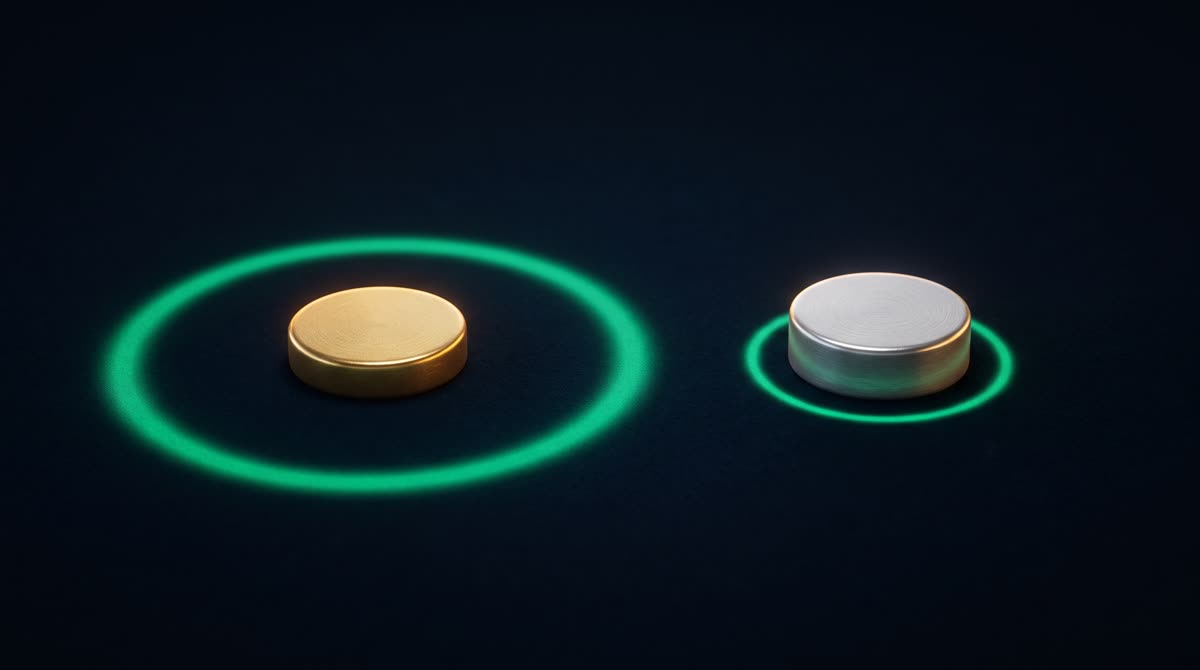
The nisab is the minimum amount of wealth that makes zakat obligatory. In 2026 there are still exactly two thresholds, both set by the Prophet ﷺ and both unchanged for fourteen centuries: 85 grams of pure gold (twenty dinars) or 595 grams of pure silver (two hundred dirhams). What changes every year — every day, in fact — is what those weights are worth in your currency.
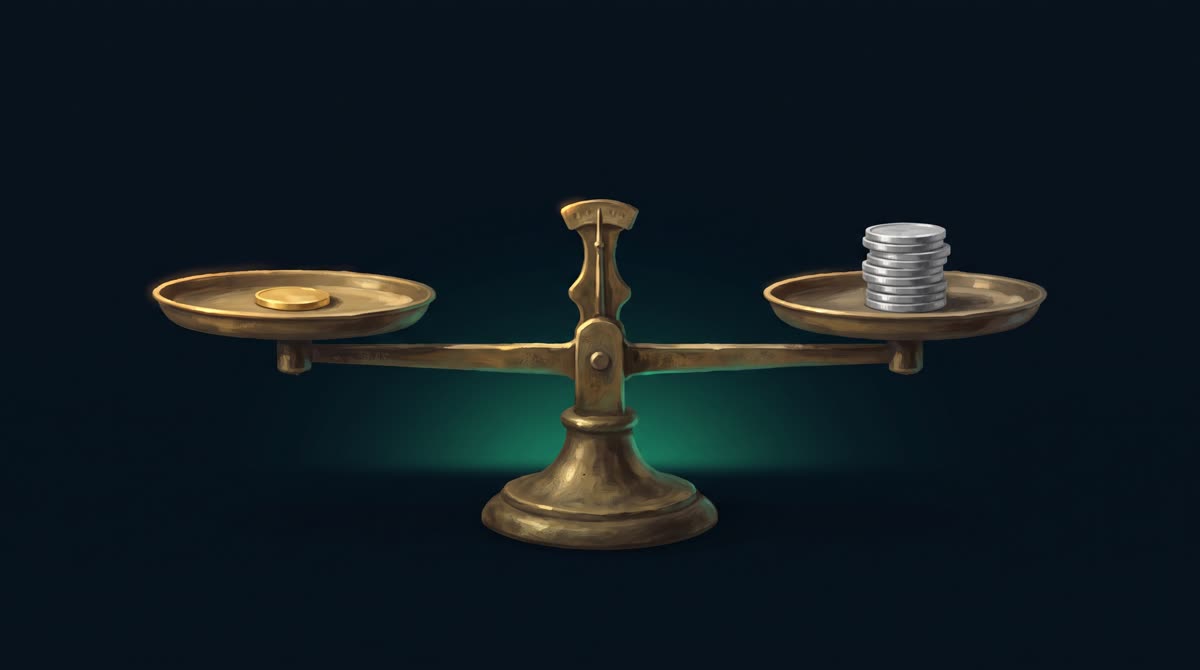
As of late August 2026, the gold-based nisab is worth roughly $12,800 (gold trading near $4,600 an ounce, about $150 per gram), and the silver-based nisab is worth roughly $1,330 (silver near $69 an ounce, about $2.24 per gram). One wealth test, two very different doors.
What is the nisab, in one sentence?
The nisab is the "starting line" for zakat: if your zakatable wealth has stayed at or above this threshold for one full lunar year (hawl), you owe 2.5% of it to the poor. Below it, zakat is not due from you at all — though voluntary charity (sadaqah) is always open.
It is not a tax band. There is no partial obligation, no sliding scale. You are either above the nisab on your zakat anniversary or you are not.
The gold nisab in 2026: about $12,800
The gold threshold is 85 grams of pure (24-karat) gold — approximately 2.73 troy ounces. Some scholars and national bodies state it as 87.48 grams (7.5 tola, the South Asian weight convention); the difference comes from how the classical mithqal is converted, and both are widely published.
Multiply the weight by today's price per gram. With gold near $4,600 per troy ounce in August 2026:
- 85 g × ~$150/g ≈ $12,750–$12,800
- 87.48 g × ~$150/g ≈ $13,100
That is a high bar. The price of gold has climbed steeply over the past two years, and the gold nisab has climbed with it — roughly double what it was worth in early 2024.
The silver nisab in 2026: about $1,330
The silver threshold is 595 grams of pure silver — approximately 19.1 troy ounces (some sources use 612.36 g, or 52.5 tola). Silver trades near $69 per troy ounce in August 2026:
- 595 g × ~$2.24/g ≈ $1,330
- 612.36 g × ~$2.24/g ≈ $1,370
Historically, in the Prophet's ﷺ time, twenty dinars and two hundred dirhams bought roughly the same thing — the two thresholds were near-equal. Today gold is around 67 times the price of silver by weight, so the two nisabs have drifted far apart. That gap is the entire question for most people.
Gold vs silver: which threshold should you use?
The short answer most scholars give: use the silver nisab. Because it is the lower threshold, it brings more wealth into zakat — which means more reaches the poor, and you err on the side of giving rather than withholding. The Hanafi school recommends silver for exactly this reason, and many national fatwa bodies and zakat foundations (Islamic Relief, Muslim Aid, NZF, and others) default to it.
There are two common approaches:
- Silver nisab (lower, ~$1,330): recommended by the majority, including the Hanafi school. More protective of the poor; the safer, more cautious choice for you.
- Gold nisab (higher, ~$12,800): permitted by some scholars, and argued by a minority to better preserve the nisab's original purchasing power in a world where silver no longer circulates as money.
If you own actual gold (jewellery, coins, bullion), the gold nisab applies to that gold directly. For cash, savings and mixed wealth — which is most people — the prevailing advice is silver. When in doubt, ask a scholar you trust and then stay consistent year to year.
How to check yourself in three minutes
- Pick your threshold. Decide silver or gold (with scholarly guidance if needed) and note today's value: multiply the weight by today's price per gram. Any live gold/silver price site will do.
- Total your zakatable wealth. Cash in hand and in every bank account, savings, gold and silver (at today's value), money owed to you that you expect back, trade goods and shares held for trading. For investments and pensions, the treatment differs — see our guide to zakat on savings for the pooling method.
- Compare. If your total has been at or above the nisab for one lunar year (about 354 days), zakat of 2.5% of the whole pool is due on your zakat anniversary — not 2.5% of each asset separately.
A worked example (August 2026 prices)
Amina has $4,200 in a savings account, $800 in cash, and a small gold bracelet worth $900 — $5,900 in total, held steadily for over a lunar year.
- Against the silver nisab (~$1,330): she is well above it. Zakat due: $5,900 × 2.5% = $147.50.
- Against the gold nisab (~$12,800): she is below it, and no zakat would be due this year.
Same person, same money, two outcomes — which is precisely why the choice of threshold matters and why most scholars point ordinary savers to silver.
Why the nisab is a weight, not a currency amount
The Prophet ﷺ fixed the nisab in physical weights of gold and silver, not in any coin or note. That is deliberate: currencies inflate, devalue and disappear; 85 grams of gold has meant something in every century since. The trade-off is that the nisab's currency value floats with the metals market — so the one habit that matters is checking it once a year, on your zakat anniversary, with that day's prices.
Do not reuse last year's figure. Between August 2025 and August 2026 the gold nisab moved by thousands of dollars.
The part most calculators can't do for you
A nisab calculator can tell you the threshold. It cannot tell you whether *your* wealth crossed it a full lunar year ago — because it doesn't know what you own, where it sits, or when it got there. That requires something most families don't have: one honest, current picture of everything.
The nisab is a number you look up. Knowing whether you meet it is a practice you keep.
That is the gap WiseEnding's Family Vault is built to close: every asset — cash, savings, gold, property, investments — recorded once, kept current, with zakat tracked on each asset automatically. When your zakat anniversary comes, the answer is already waiting: your pool, your nisab check, your 2.5%, and the record of what you gave. The Islamic layer is optional and sits quietly on top of the core vault — there when you want it, invisible when you don't.
Quick answers
Is the nisab based on gold or silver?
Both exist. The gold nisab is 85 grams of pure gold; the silver nisab is 595 grams of pure silver. For cash and savings, most scholars recommend the silver threshold because it is lower and benefits the poor more. If you hold actual gold, the gold nisab applies to it.
What is the nisab in dollars in 2026?
As of late August 2026, the gold nisab (85 g) is roughly $12,800 and the silver nisab (595 g) is roughly $1,330, at gold near $4,600/oz and silver near $69/oz. These figures move daily — always recalculate on your zakat date using that day's price per gram.
Why do some sites say 87.48 grams and 612.36 grams?
Those are the same thresholds expressed in tola, the traditional South Asian weight (7.5 tola of gold, 52.5 tola of silver). The small difference comes from rounding classical weights into grams. Both conventions are published by mainstream zakat bodies; either is acceptable.
Do I pay zakat if my wealth dipped below the nisab during the year?
Under the majority view, what matters is the start and end of your hawl: if you held at least the nisab on both dates, zakat is due on the full amount at year's end, even if the balance dipped in between. If your wealth fell below nisab at the start, your hawl restarts when it crosses the threshold again.
Is zakat 2.5% of everything above the nisab, or everything?
Everything in the zakatable pool — not just the amount above the threshold. Once you are above the nisab, the 2.5% applies to the entire pool: all your cash, savings, gold, silver and qualifying assets combined.