Home / Blog / What Is Digital Shukatsu? Japan's Word for Getting Your Digital Life in Order
WiseEnding Blog
What Is Digital Shukatsu? Japan's Word for Getting Your Digital Life in Order
The short answer
Digital shukatsu (デジタル終活) is the Japanese practice of organizing your digital life — accounts, passwords, subscriptions, photos, online banking — as part of end-of-life planning, so your family is not locked out of everything you owned. In a 2026 survey, 45.3% of Japanese adults manage none of it, and the top anxiety (38.0%) is family stuck without passwords.
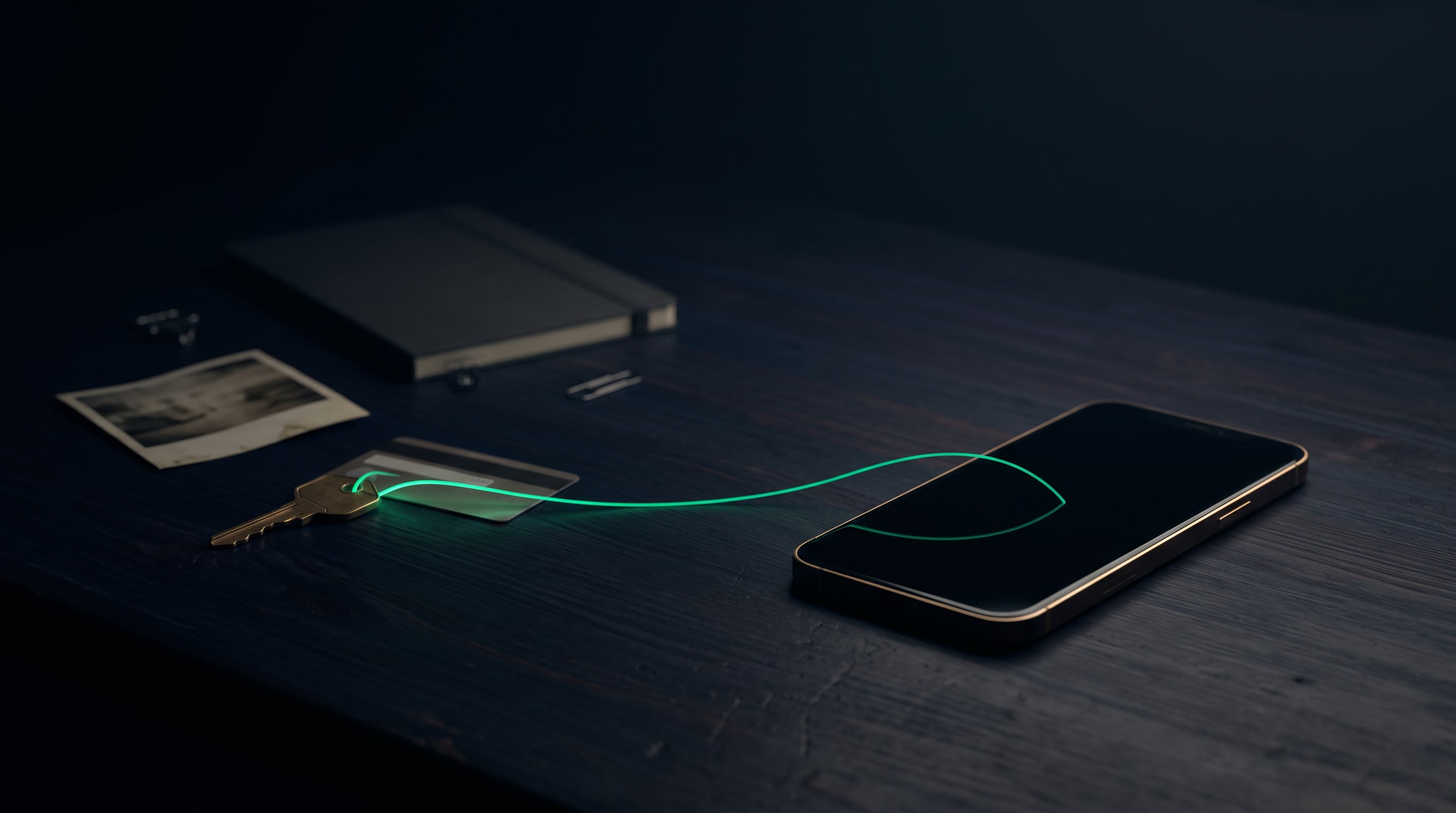
Digital shukatsu (デジタル終活) is the practice of organizing your digital life — accounts, passwords, subscriptions, photos, cloud files, online banking — as part of your end-of-life planning, so your family is not left locked out of everything you owned and meant. It extends the classic Japanese *shukatsu* (終活, "preparing for the end of life") and the paper *ending note* into the assets that now live behind a login screen. The numbers say the need is real and mostly unmet: in a February 2026 survey of 967 Japanese adults, 45.3% manage none of their digital information at all, only 0.7% use a dedicated digital-shukatsu service, and the single most common anxiety — chosen by 38.0% — is "my family will be stuck because they don't know my passwords."
Why is everyone in Japan suddenly talking about digital shukatsu?
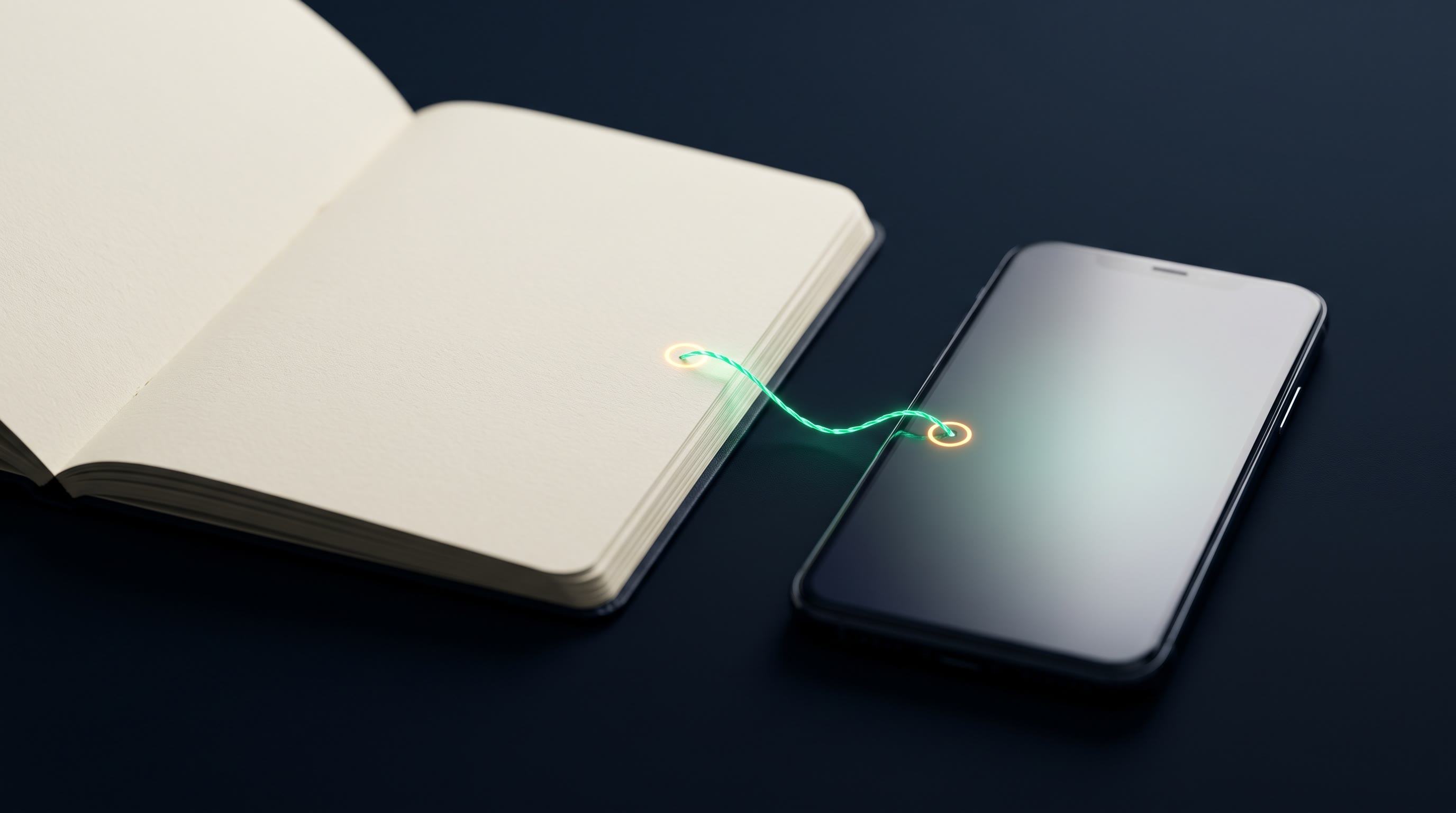
Because the paperwork of a life has quietly moved behind glass. Twenty years ago, settling an estate meant a filing cabinet, a bank passbook and a shoebox of photographs. Today the same life lives in a banking app, an email account, a cloud photo library, a points card and a dozen subscriptions — each protected by a password only one person knows.
Japan noticed first because Japan ages first. The country publishes the consequences as annual national statistics: a record 308,753 inheritance renunciations in 2024 as heirs walked away from estates tangled with debt, ¥169.4 billion in dormant bank deposits transferred to the state fund in a single fiscal year, and a projected ¥314 trillion in assets held by people with dementia by 2030 — money that is legally present but practically unreachable. Each statistic is the same failure wearing a different uniform: a family that cannot see, reach or prove what their person owned.
What does the research say about how prepared families actually are?
The honest answer is: aware, and not ready. In an August 2025 survey of 523 shukatsu-engaged adults, 61.3% knew the term "digital shukatsu" — but 52.5% were managing none of their digital information, and only 7.6% had ever talked with their family about what should happen to their phone and social accounts after death. The most common preparation, chosen by 32.1%, was simply *writing passwords down* — a notebook, a sticky note, a text file.
The April 2026 ending-note survey of 1,517 adults found the intention–action gap at its widest: about nine in ten have not started an ending note (54.1% haven't thought about it, 35.5% intend to "someday"), while just 4.4% are actually writing one. And the item people most wanted help with — 27.8% — was organizing digital data: the SNS accounts, the passwords, the cloud photos. The demand is not for a lecture on mortality. It is for a way to get the digital drawer in order.
A separate national survey by the NPO Rashisa (2,052 respondents, December 2024) adds the generational texture: awareness of *shukatsu* itself is nearly universal at 96.2%, ending-note ownership is 13.3% overall and 24.2% among people aged 70+ — and younger adults, the generation most likely to keep a digital record, are the least likely to have started any record at all.
What belongs in a digital shukatsu plan?
Everything your family would need to find, prove or close — organized while you can still explain it. The working list is shorter than the anxiety suggests:
- Money: bank and securities accounts, online banking, pensions, insurance, crypto, points and miles.
- Debts and obligations: loans, credit cards, subscriptions and recurring contracts — the things that keep billing a dead person.
- Documents: the will or ending note itself, property titles, tax records, IDs, the family register references.
- Access: the passwords, devices and two-factor methods that guard all of the above — held somewhere safer than a sticky note.
- People: the executor, the lawyer, the imam or temple contact, the one sibling who must be phoned first.
- Wishes and letters: funeral preferences, accounts to close or memorialize, and a message for each person you love.
The February 2026 survey found the single biggest fear — 38.0% of respondents — was "my family will be unable to get in because they don't know the passwords." Notice what that fear is made of: not the money itself, but the *door*. A plan that lists the money but not the way in is a map of a locked city.
Paper ending note, password manager, or a digital vault?
Each tool solves one layer and fails another. A paper ending note is legally and emotionally solid — it survives power cuts and needs no password — but it cannot update itself, and it can be lost, burned or read by the wrong person. A password manager opens the doors but keeps no map of what the doors are *for*, and its master key dies with its owner unless someone else was explicitly given a way in.
A digital vault is the layer built for the whole problem: the inventory of assets and debts, the documents, the access instructions, and the letters — encrypted so only you can read it while you are here, and structured so the right people can follow it when you are not. The 2025 Nippon Foundation–supported survey of families planning for a relative with a disability found 89% interested in an app version of their paper planning notebook and 86% rating it effective — with security named as the top concern. Japan's families are asking for exactly this shape of tool: digital, shareable, and safe.
How does WiseEnding approach digital shukatsu?
WiseEnding's My World is the digital ending note: a zero-knowledge vault where your assets, debts, documents and letters are organized in one place, encrypted on your device so that not even WiseEnding can read them. The Legacy Heartbeat is the part paper can never do — a gentle check-in at the rhythm you set, which, if your silence becomes permanent, delivers the map to the people you designated, each seeing only what you chose for them.
Digital shukatsu was never really about dying. It is about the people who will one day have to reconstruct your life from what you left within reach — and deciding, today, that what they find will be a map and not a maze.
*Sources: General Incorporated Association Shukatsu Kyogikai, digital-shukatsu awareness surveys (Aug 2025, n=523: 61.3% awareness, 52.5% unmanaged, 7.6% family conversation; Feb 2026, n=967: 45.3% unmanaged, 38.0% password anxiety, 0.7% using a dedicated service; Apr 2026, n=1,517: ~90% not started an ending note, 27.8% most-wanted = digital-data organization); NPO Rashisa 2nd national shukatsu survey (Dec 2024, n=2,052: 96.2% shukatsu awareness, 13.3% ending-note ownership, 24.2% at age 70+); Supreme Court of Japan inheritance-renunciation statistics 2024; Deposit Insurance Corporation of Japan dormant-deposits FY2024; Sumitomo Mitsui Trust Bank dementia-assets projection 2030; Digital End-of-Life Planning Association (DEA) / Nippon Foundation "parent-less future notebook" survey 2025–26.*